
K L Sanchez Law Office
What Does an Insurance Adjuster Do in a New York Claim?
An insurance adjuster reviews insurance claims, evaluates the available evidence, and helps determine how the insurance company responds to a covered loss. In a New York car accident claim, the adjuster’s work can affect the settlement offer, the investigation timeline, and how disputed issues are handled. New York law also regulates certain adjuster roles and claim-handling practices.
At K L Sanchez Law Office, P.C., Queens personal injury attorney Keetick L. Sanchez represents accident victims in Jackson Heights and throughout Queens. Our team of experienced car accident lawyers helps clients respond to adjuster questions, organize claim documents, review settlement offers, and push back when an insurer delays or undervalues a claim.
This guide explains the types of insurance adjusters, their legal duties under New York law, how adjusters investigate accident claims, and what injured claimants should understand before answering questions or accepting a settlement offer. Call K L Sanchez Law Office, P.C. at (646) 701-7990.
What Is an Insurance Adjuster?
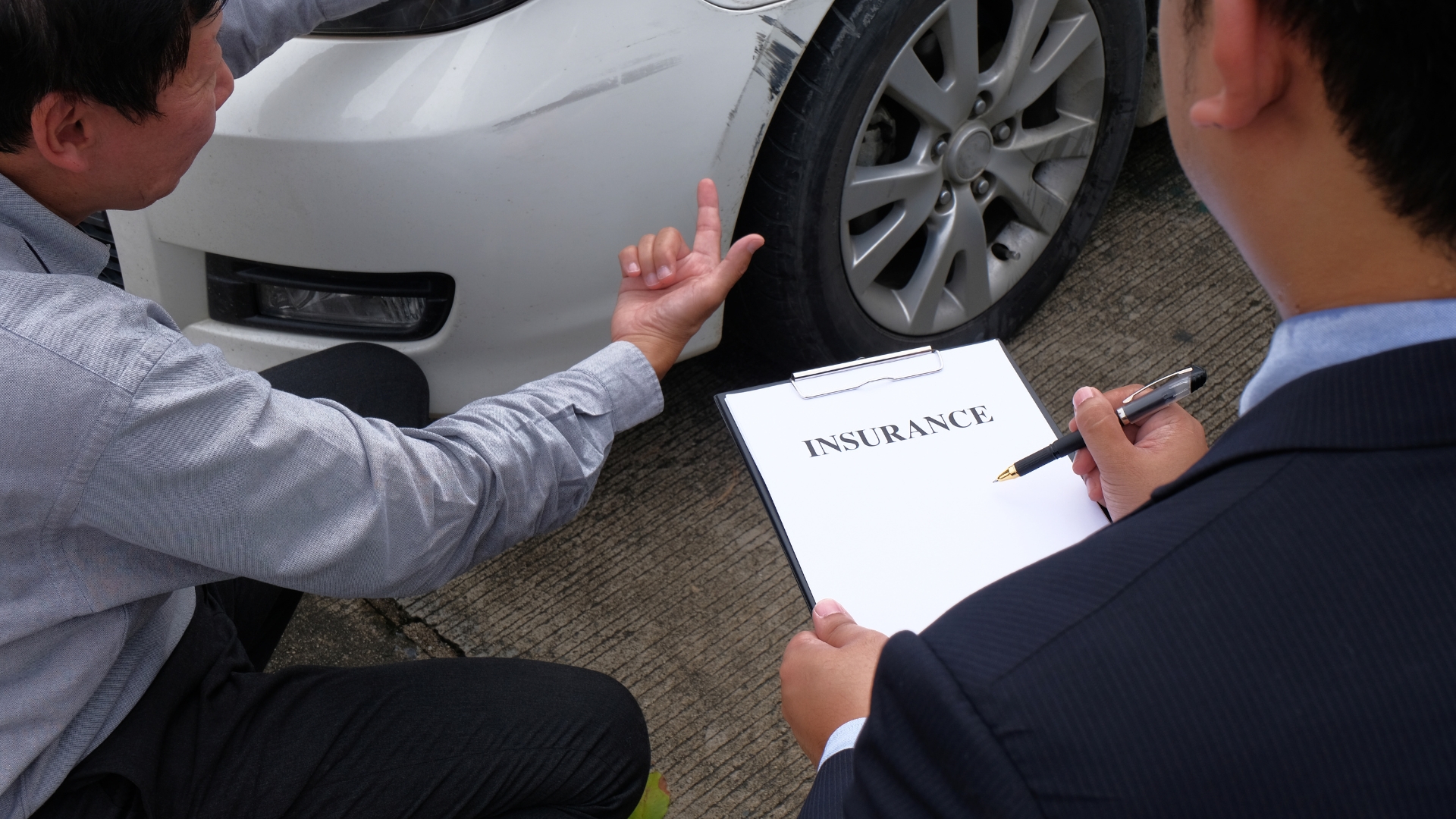
An insurance adjuster investigates and evaluates an insurance claim. In a car accident case, the work may include reviewing the police report, inspecting vehicle damage, examining medical records, assessing liability, and communicating with the claimant or the claimant’s attorney.
In an insurer-side claim, the adjuster evaluates the claim under the policy, available evidence, and applicable claim-handling rules. That role is different from serving as the claimant’s advocate.
Key Takeaway: An insurance adjuster investigates and evaluates insurance claims. In an insurer-side claim, the adjuster reviews the claim for the insurance company, not as the claimant’s advocate.
What Are the Three Types of Insurance Adjusters in New York?
Claimants may deal with staff adjusters, independent adjusters, or public adjusters. The distinction matters because these adjusters do not all represent the same side of the claim.
Staff Adjusters
Staff adjusters are regular employees of insurance companies. They handle claims for their employer and must follow the insurer’s claims-handling rules and New York insurance requirements.
Independent Adjusters
Independent adjusters handle claims on behalf of insurers but are not regular staff employees of one insurance company. Insurers may hire them when additional claims support is needed. In New York, independent adjusters must be licensed unless a statutory exception applies. Independent adjuster applicants generally must satisfy DFS licensing requirements, including applicable examination, trustworthiness, and competency standards.
Public Adjusters
Public adjusters work for insured policyholders, not insurance companies. In New York, public adjusters may assist with certain property-loss claims, but that role is different from representing an injured person in a car accident claim. For a Queens car accident involving injuries, disputed fault, or settlement negotiations, a personal injury attorney is usually the more appropriate advocate.
What Are an Insurance Adjuster’s Legal Duties Under New York Law?
Insurance adjusters in Queens and across the state must follow New York claims-handling rules. Several provisions of the Insurance Law and its implementing regulations set obligations for insurers and the adjusters acting on their behalf.
Insurance Law § 2601 prohibits insurers from engaging in unfair claim settlement practices. For a violation under this section, the conduct must be done without just cause and happen often enough to show a general business practice. Prohibited practices include:
- Misrepresenting important facts or policy provisions
- Failing to acknowledge claim communications with reasonable promptness
- Failing to adopt and implement reasonable standards for prompt claim investigations
- Failing to attempt a prompt, fair, and equitable settlement when liability is reasonably clear
- Forcing policyholders to sue by offering substantially less than the amounts ultimately recovered
- Failing to promptly disclose coverage when required
Regulation 64 sets claim-handling standards for insurers, including rules for claim communications, investigations, and settlement practices. These rules help define how claims should be handled during the adjustment process.
Independent adjusters acting for insurers must handle claims appropriately and responsibly. Serious claim-handling violations may create licensing consequences when the conduct shows untrustworthiness under New York law.
What Does an Insurance Adjuster Do After an Accident?
After a car accident, an insurer-side adjuster gathers and reviews the evidence the insurance company may use to value, dispute, or negotiate the claim.
The process may include several common steps:
- Review the police report and claim filing. The adjuster verifies the basic facts of the accident, including the date, location, parties involved, and any citations issued.
- Inspect vehicle and property damage. The adjuster examines the damage in person or through photographs to estimate repair or replacement costs.
- Gather witness statements. Adjusters contact witnesses identified in the police report or by the parties involved to build a clearer picture of how the accident occurred.
- Analyze medical records and bills. If injuries are involved, the adjuster reviews medical documentation to assess the nature, extent, and cost of treatment.
- Determine liability. The adjuster evaluates the evidence to assess fault. In Queens claims, New York’s pure comparative negligence rule under CPLR § 1411 can reduce compensation in proportion to the claimant’s share of fault.
- Calculate the settlement offer. The adjuster estimates the value of the claim based on the policy, available evidence, documented losses, and any damages legally recoverable under New York law.
- Negotiate a settlement. The adjuster communicates the offer to the claimant or their attorney and negotiates toward a final resolution.
In injury claims, New York’s no-fault rules may also affect the adjuster’s review. For covered people, first-party benefits can reimburse basic economic loss up to $50,000 per person, subject to statutory limits and offsets. Basic economic loss can include necessary medical expenses, lost earnings within statutory limits, and other reasonable and necessary expenses.
Key Takeaway: After an accident, an adjuster may review reports, inspect damage, gather evidence, evaluate liability, and negotiate settlement terms. Accurate documentation can help protect the claim.
How Does an Adjuster’s Investigation Fit the Claim Timeline?
New York claim investigations are subject to specific notice, investigation, and written-response deadlines. The table below summarizes the main timing rules.
| Claim Process Step | Insurance Company Deadline |
|---|---|
| Acknowledge Claim | Within 15 business days after receiving notice of the claim |
| Begin Investigation | Procedures must be in place to begin within 15 business days of notice |
| Decision on Claim (Post-Proof of Loss) | Accept, reject, or request more time within 15 business days after receiving a properly executed proof of loss and all requested information |
| Status Updates (for unsettled claims) | If the claim remains unresolved after an extension is requested, written updates must be provided every 90 days after the first additional-time notice |
Claimants who do not receive timely acknowledgment or required written updates may file a complaint with the Department of Financial Services. Repeated unfair claim handling, when done without just cause and often enough to show a general business practice, may violate Insurance Law § 2601.
Why Do Insurance Adjusters Delay Claim Settlements?
Insurance adjusters may need additional time when a claim involves serious injuries, multiple parties, disputed liability, high claimed losses, missing records, inconsistent statements, or unresolved medical questions. In those situations, the insurer may need to review police reports, medical records, repair estimates, wage documentation, witness statements, or expert input before making or revising a settlement offer.
Prompt claim handling is still required. A delay becomes more concerning when the insurer misses required claim-handling steps, stops communicating, fails to request needed information within the required timeframe, or does not provide required written explanations. Claimants can help reduce avoidable delays by keeping records, responding to reasonable document requests, and tracking insurer communications.
Personal Injury Attorney in Queens: K L Sanchez Law Office, P.C.
What Should Claimants Know When Speaking With an Adjuster?
Statements made to an adjuster can affect how the insurer evaluates liability, damages, medical history, and settlement value. Claimants should answer carefully, stay consistent with the record, and avoid guessing.
Adjusters Represent the Insurance Company
Insurer-side adjusters evaluate claims for the insurance company under the policy and available evidence. Claimants should keep that role in mind when answering questions, providing documents, or reviewing a settlement offer.
Exercise Caution When Answering Questions
Adjusters may ask detailed questions about the accident, injuries, prior medical history, and treatment. Claimants should answer only what they know to be accurate and avoid guessing, minimizing injuries, admitting fault, or giving incomplete accident details without legal guidance. When a personal injury attorney is involved, the attorney can manage communications with the adjuster.
Understand the Limits of Adjusters in Claim Valuation
An adjuster’s offer may not fully account for the claimant’s medical treatment, lost income, future care needs, pain and suffering when legally recoverable, or other damages supported by the evidence. Before accepting a settlement, a claimant should consider whether the offer accounts for all documented losses.
Be Aware of Attempts to Assign Blame
An insurer-side adjuster may evaluate whether the claimant shares fault for the accident. Under New York’s comparative-fault rule, compensation can be reduced in proportion to the claimant’s share of fault.
You Can Reject the Initial Settlement Offer
The initial offer may not reflect the full value of the claim, and a claimant does not have to accept it. A claimant may seek legal guidance and respond with documentation supporting a higher settlement amount. An attorney can review the offer before the claimant decides whether to accept it.
Key Takeaway: Claimants should answer adjuster questions carefully, avoid guessing, and review settlement offers before accepting them. Fault disputes can affect compensation under New York’s comparative-fault rule.
Do New York Insurance Adjusters Need to Be Licensed?
Yes, with important exceptions. New York licenses adjusters as independent adjusters or public adjusters. A person may not act on behalf of an insurer unless licensed as an independent adjuster, and may not act on behalf of an insured unless licensed as a public adjuster, unless a statutory exception applies.
Certain officers, directors, and regular salaried employees of an authorized insurer are excluded from the definition of an independent adjuster and are not subject to that specific independent-adjuster licensing requirement. DFS may also issue temporary independent adjuster permits after a catastrophe or emergency when the individual is sponsored by a New York-authorized insurance company.
Claimants who suspect they are dealing with an unlicensed independent or public adjuster can verify credentials through the DFS Producer/Licensee Search tool.
What Should You Do If an Adjuster Undervalues Your Claim?
When a settlement offer does not appear to reflect the claimant’s documented losses, the response should be careful, organized, and supported by evidence. You are not required to accept the first offer, and the law gives you protections against unfair settlement practices.
Steps to take when an adjuster undervalues your claim:
- Document everything. Keep copies of all medical records, bills, repair estimates, pay stubs showing lost wages, and any correspondence with the adjuster. Thorough documentation makes it harder for the adjuster to justify a low offer.
- Do not give a recorded statement without legal guidance. Adjusters may ask for a recorded statement early in the process. Your obligations may differ depending on whether the adjuster works for your own insurer or another driver’s insurer. A statement can affect how the insurance company evaluates the claim.
- Strengthen the medical record if needed. If the adjuster disputes the severity of your injuries, additional treatment records, physician notes, diagnostic results, or a medical opinion may help support the claim.
- Reject the inadequate offer in writing. Respond to the adjuster’s offer with a written counteroffer that explains why the amount is insufficient, supported by your documentation.
- File a complaint with the DFS. If the insurer’s claim handling appears to violate Regulation 64 or may reflect an unfair claim settlement practice under Insurance Law § 2601, you may file a complaint with the Department of Financial Services.
- Consult a Queens personal injury attorney. An experienced attorney can evaluate the claim, handle negotiations with the adjuster, and pursue litigation if a fair settlement cannot be reached.
Legal Guidance for New York Insurance Claim Disputes
Dealing with an insurance adjuster after an accident can involve procedural and documentation issues, especially when the settlement offer does not appear to account for the claimant’s injuries and losses. Experienced legal guidance can help a claimant understand the claim process, respond to insurer requests, and evaluate whether an offer is fair.
K L Sanchez Law Office, P.C. represents personal injury clients throughout Queens and the five boroughs. Attorney Keetick L. Sanchez guides car accident victims through documenting their losses, handling insurance communications, and pursuing fair compensation when a claim is delayed, undervalued, or disputed.
Do not accept a settlement offer until you understand how it may affect your claim. Call K L Sanchez Law Office, P.C. today at (646) 701-7990 to schedule a free consultation. Our office is located at 37-06 82nd St #304, Jackson Heights, NY 11372.
Frequently Asked Questions
What is the difference between a public adjuster and an insurance adjuster?
A public adjuster works for an insured policyholder on certain property-loss claims. Staff and independent adjusters generally work for insurance companies. For injury claims involving a car accident, disputed fault, or settlement negotiations, a personal injury attorney is usually the more appropriate advocate.
Can an insurance adjuster deny my claim in New York?
Yes, but the denial is an insurer’s decision. An adjuster may recommend denial if the investigation finds that the claim is not covered under the policy, the claimant did not meet policy conditions, or the claim requires further fraud review. New York claims-handling rules still require reasonable investigation standards and prohibit unfair claim settlement practices when the statutory requirements are met.
How long does a New York insurance adjuster have to investigate my claim?
Under Regulation 64, the insurer must acknowledge the claim within 15 business days and must have procedures to begin investigating the claim within 15 business days after notice. After the insurer receives a properly completed proof of loss and all requested information, it must accept the claim, reject it, or send written notice explaining why more time is needed within 15 business days. If the claim remains unsettled, follow-up notices are due every 90 days unless the matter is in litigation or arbitration.
Should I give a recorded statement to an insurance adjuster?
You may not have the same obligations to another driver’s insurer that you have to your own insurer. A recorded statement can affect how the insurance company evaluates the claim. Speak with a personal injury attorney before agreeing to give one.
Can I hire my own adjuster to dispute the insurance company’s offer?
Public adjusters may assist with certain property-loss claims, but that role does not replace a personal injury attorney in an automobile injury or liability claim. For a Queens car accident involving injuries, fault disputes, or settlement negotiations, legal guidance is usually the more appropriate route.
What happens if an adjuster violates New York’s Regulation 64?
You can file a complaint with the Department of Financial Services. DFS may review the complaint and take regulatory action when an insurer or licensee violates applicable insurance laws or licensing rules. A claimant may also speak with an attorney about whether a separate lawsuit is appropriate for the underlying claim or policy dispute.
Do I need a lawyer if I disagree with the adjuster’s settlement offer?
You are not required to hire a lawyer, but legal guidance may be especially important for claims involving serious injuries, disputed liability, or offers that seem significantly below the value of your losses. A Queens personal injury attorney can evaluate the offer, handle negotiations, and file a lawsuit if necessary.
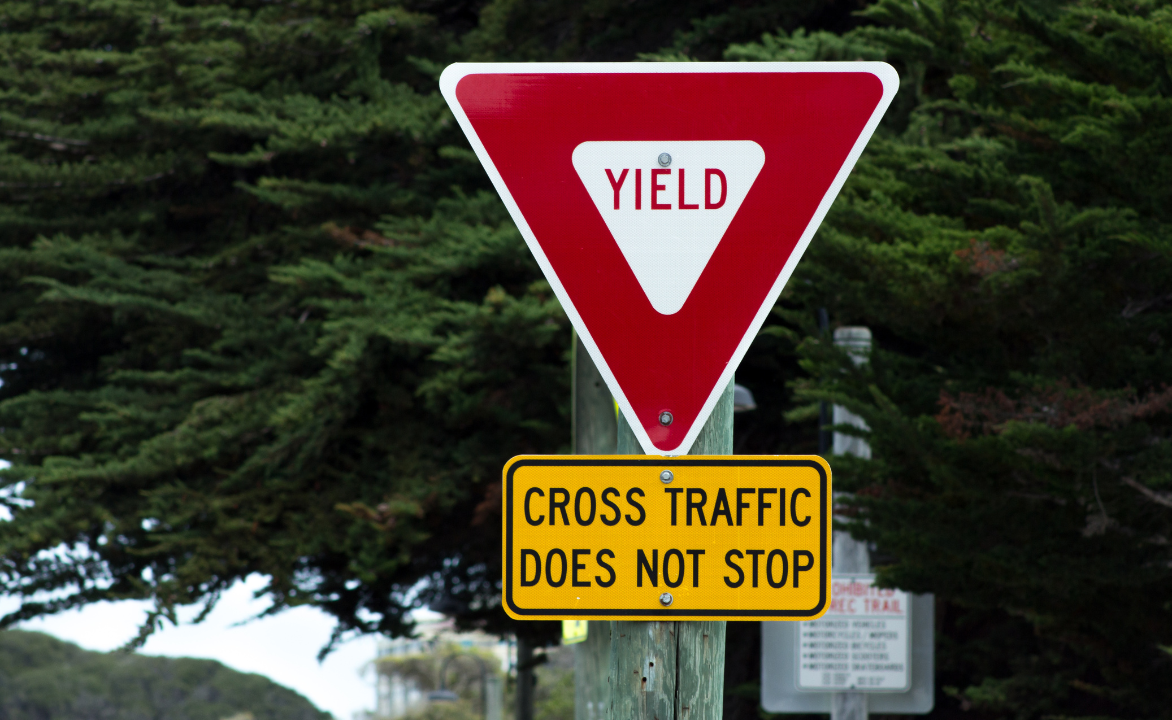
Who Must Yield at T-Intersections in New York?
At a T-intersection in New York, the driver entering from the stem road, or the road that ends, must yield

Do You Need a Police Report for a Minor Fender Bender in New York?
The short answer is no. You don’t always need a police report for a minor fender bender in New York.
Is New York a No-Fault State?
Yes, New York is a no-fault state for car accidents. Your own auto insurance pays for your medical bills and

When to Get an Attorney for a Car Accident
Hiring a car accident attorney is worth considering any time your injuries are serious, fault is disputed, or the insurance